Flatiron School project · Chicago Public Library

Spark

Designed a mobile app to help Chicago Public Schools teachers find and share library resources relevant to their classrooms.

Role
UX/UI Designer, research lead
Team
UX Designers
Timeline
6 weeks
Platform
Mobile
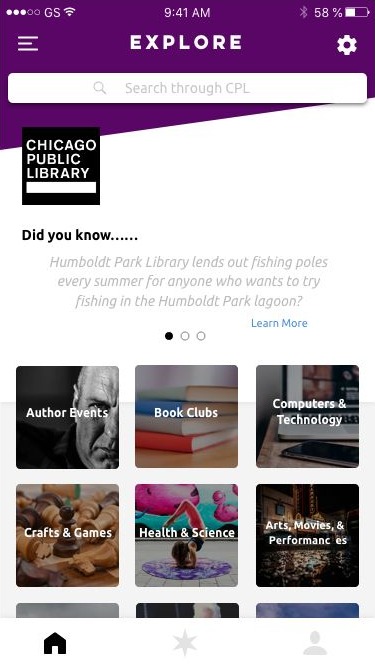
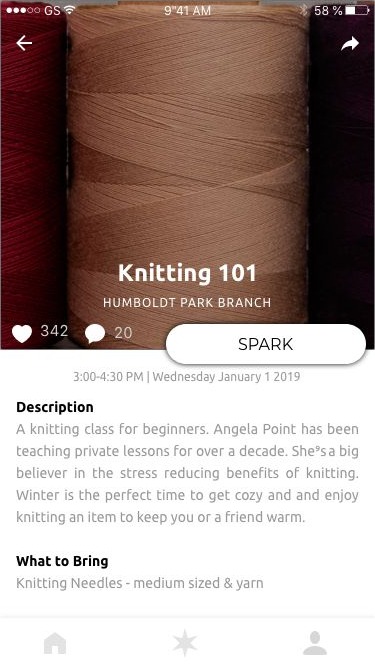
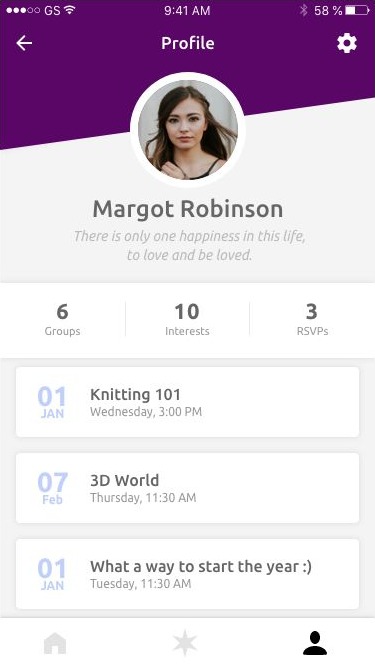
Spark Explore screen with library categoriesSpark event detail for a knitting class at Humboldt Park BranchSpark profile with groups, interests and RSVPs

Problem statement

With school librarians disappearing, CPS teachers had become their students’ librarians, but the library’s events and resources were hard to discover and share.

Outcomes

  1. A teacher-first mobile app for discovering and sharing CPL events and resources

  2. Four design principles that kept the team aligned on every decision

  3. Personal “Sparks” boards for collecting and sharing resources

My role

Research

  • Led user research for the team
  • Interviewed branch managers and community members
  • Identified elementary educators as the primary audience

Synthesis

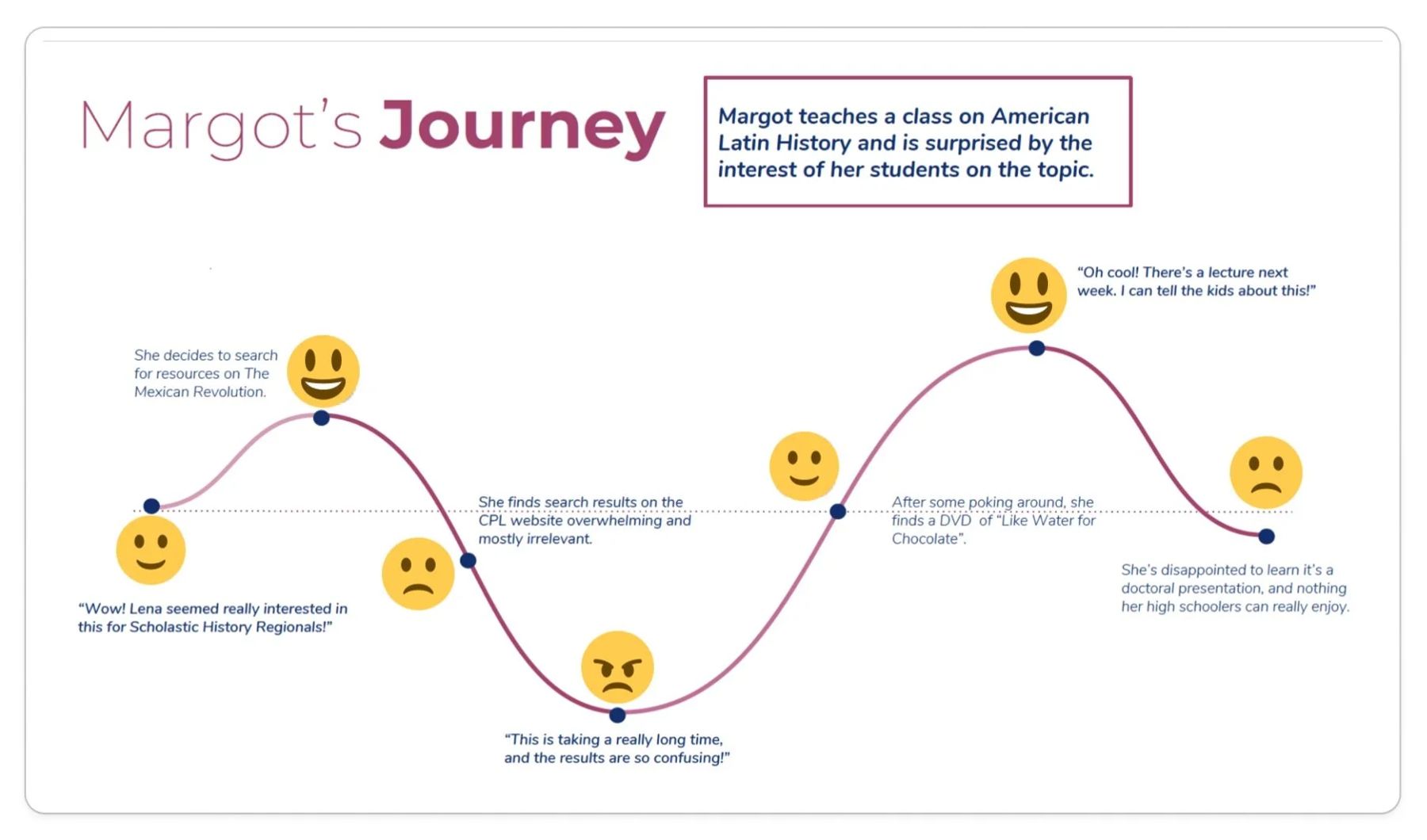
  • Built Margot’s journey map
  • Defined four design principles
  • Named and framed the product

Design

  • Wireframed search, boards and onboarding
  • Designed geolocation-based results
  • Designed the final hi-fi screens

Research

Teachers, the new librarians.

Interviews with CPL branch managers and community members, including many elementary educators, surfaced a widening gap between what libraries offer and what the community knows about.

1 in 4CPS schools with a certified librarian
3 of 4Chicago schools without tech instruction support for digital literacy
80%+CPS school libraries closed
91%Americans 16+ who say libraries matter to their communities

Sources: Save School Librarians (1 in 4); Chicago Public Schools (3 of 4, 80%+); Pew Research Center (91%).

“I want my students to feel the same love of libraries that I felt when I was their age.”
Margot, CPS educator persona

Igniting curiosity

Designed around Margot

With CPS school libraries closing, teachers have become their students’ librarians, and Chicago’s move to proficiency-based learning means they need varied resources for personalized learning paths. Margot’s journey showed where finding those resources broke down. Four principles guided every feature.

EfficientRemove barriers to library tasks.
MinimalistOnly the essentials on each screen.
Spark curiosityMake learning engaging and shareable.
Trendy, cool, appealingModern enough for students and adults.
Margot’s journey map, showing where finding resources broke down

Design decisions

Key design decisions

Decision 01

Filtered, location-aware search

What I did. Designed filtered search in Explore, with results by date or prioritized by the teacher’s location.

Why it mattered. Teachers are short on time. Relevant, nearby events and materials had to surface immediately.
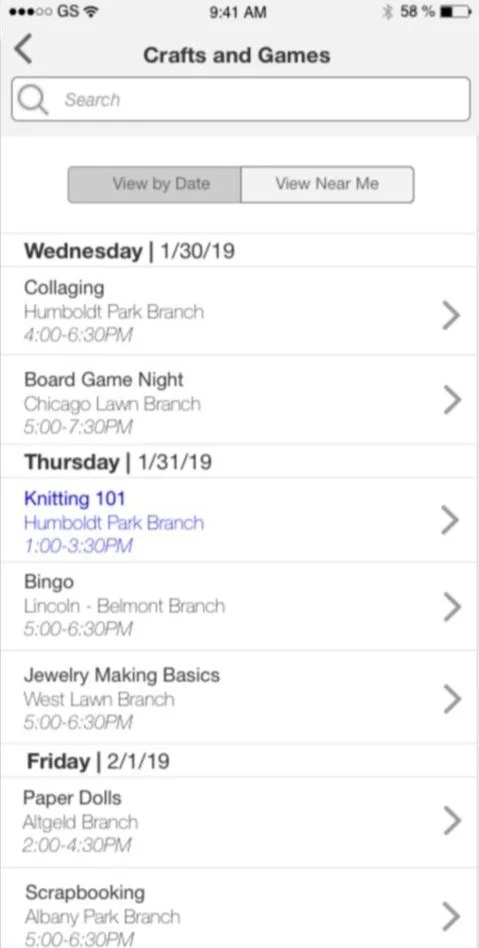
Spark wireframe: Crafts and Games events with View by Date and View Near Me options
Wireframe: Crafts and Games events, switchable between “View by Date” and “View Near Me”.
Decision 02

Onboarding that doesn’t overwhelm

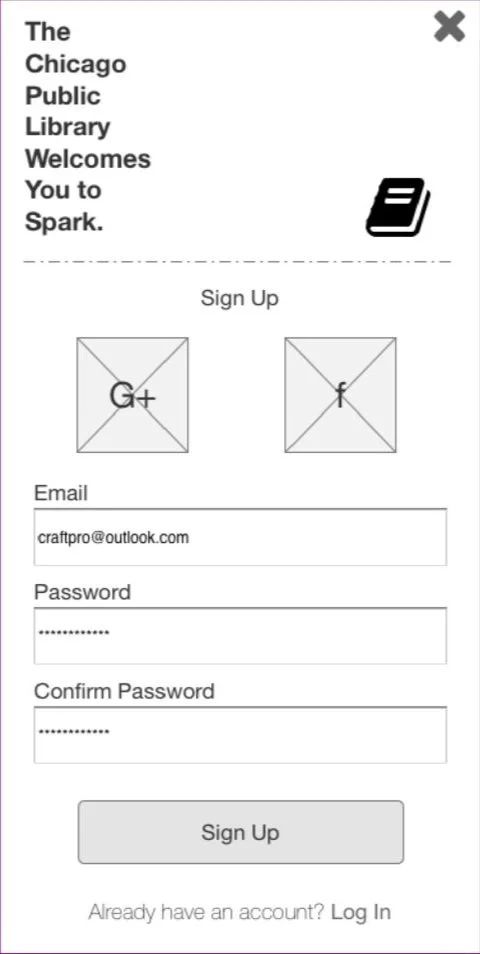
What I did. Kept sign-up short and introduced key features without front-loading everything.

Why it mattered. Quick adoption mattered more than explaining every feature up front.

Wireframe of the short Spark sign-up screen
Wireframe: a short sign-up with social login.
Decision 03

Personal “Sparks” boards for sharing

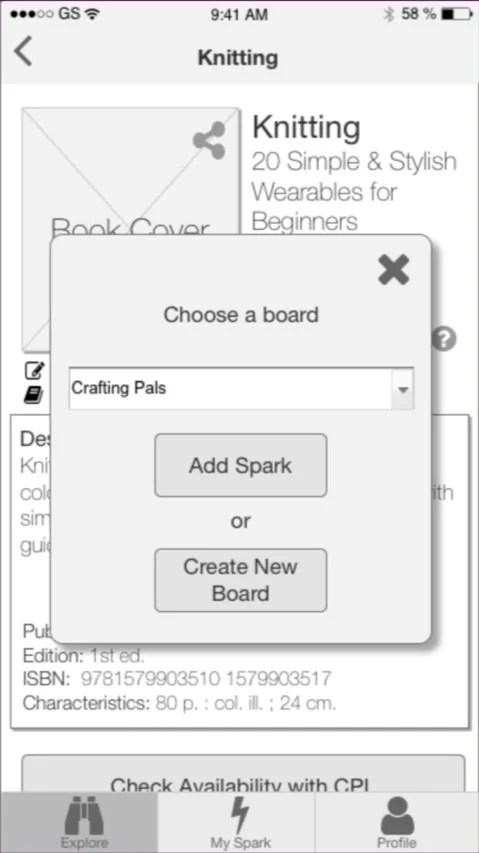
What I did. Designed boards where teachers collect resources with a single “Spark!” action and share them with students and colleagues.

Why it mattered. It encourages active engagement and sharing, fostering a sense of discovery for students and colleagues.

Spark wireframe: choosing a board for a book, or creating a new board
Wireframe: adding a book to a board, or creating a new one.

Reflection

Who the user is can change

Spark taught me how much the definition of the user can change once you get into the research. We started with a broad community challenge, but teachers emerged as the people doing much of the work of finding and sharing resources with students. If I revisited the project, I’d bring students into the research earlier as well so we could better understand both sides of that learning experience.

Healthcare clientPharmaceutical Sample RequestsNext case study